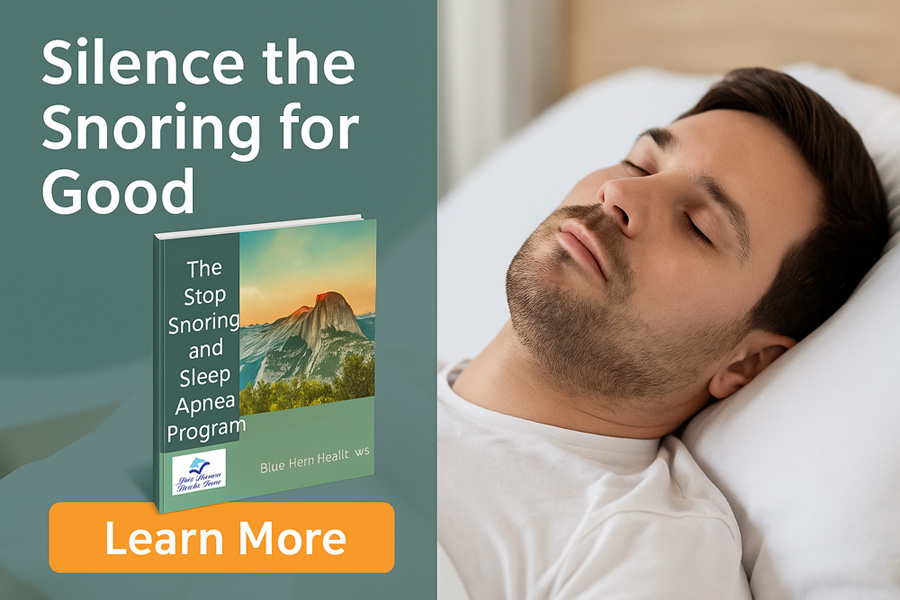
The Stop Snoring And Sleep Apnea Program™ a well-researched program created to help stop snoring and sleep apnea so that you can have a good night sleep. The techniques that you will learn from this program works immediately. It will only take you 3-7 minutes to perform these simple exercises that the author has recommended but the results that you will get will help you have a good night sleep as soon as tonight. Within a week, snoring will be a thing of the past.
What are the benefits of a sleep apnea support group?
A sleep apnea support group can provide several benefits, both emotional and practical, for individuals managing the condition. Here’s how being part of a support group can be helpful:
1. Emotional Support
- Shared Experiences: Talking to others who understand what you’re going through can help reduce feelings of isolation. You can relate to others’ challenges, frustrations, and successes.
- Encouragement: Group members can offer positive reinforcement when you’re struggling with treatment or adjusting to lifestyle changes.
- Decreased Anxiety: Knowing others face similar issues can help alleviate anxiety about the condition and its management.
2. Information and Education
- Learning from Others: Group members often share practical tips for coping with sleep apnea, such as how to better adjust to CPAP or lifestyle changes that improve sleep quality.
- Access to Resources: Many groups provide information on the latest treatment options, research, and local healthcare providers specializing in sleep apnea.
- Clarifying Questions: You can ask questions or get advice from those with experience managing the condition, which may help you better understand your treatment plan.
3. Motivation for Treatment Adherence
- Staying Committed to CPAP: Support groups can remind members of the importance of using CPAP or other prescribed treatments, which can lead to better treatment adherence.
- Healthy Lifestyle Habits: Group discussions can encourage healthier habits like weight loss, exercise, and reducing alcohol intake, which can improve sleep apnea symptoms.
4. Reducing Stigma
- Comfortable Environment: Talking openly about sleep apnea in a non-judgmental space can reduce feelings of shame or embarrassment that some may feel about using CPAP machines or other treatments.
- Normalize the Experience: Hearing other people’s stories makes the condition feel more manageable and less stigmatized.
5. Long-Term Support
- Building Relationships: Friendships and connections formed in support groups can provide ongoing support, even after meetings. You may find long-term allies who continue to offer encouragement.
- Increased Accountability: You may feel more motivated to keep track of your health and treatment progress when you know you have others rooting for you.
Would you like help finding online or in-person sleep apnea support groups in your area?
Dental issues can contribute to snoring and sleep apnea in several ways, as the alignment and structure of your teeth and jaw play a crucial role in airway function. Here’s how:
1. Poor Jaw Alignment (Malocclusion)
- Snoring and Obstruction: Misalignment of the upper and lower jaws can narrow the airway, making it more difficult for air to flow freely during sleep, leading to snoring and potentially sleep apnea.
- Temporomandibular Joint (TMJ) Dysfunction: TMJ problems, often caused by misalignment, can contribute to snoring and sleep apnea by causing discomfort or restricted movement of the jaw during sleep.
2. Enlarged or Mispositioned Tongue
- Impact on the Airway: Dental issues such as a narrow arch or misalignment can result in an improperly positioned tongue, which may block the airway during sleep. This can lead to obstructive sleep apnea (OSA), where the airway is partially or completely blocked.
- Mouth Breathing: Poor dental alignment can encourage mouth breathing, which often leads to a dry mouth and worsens snoring. It can also increase the risk of sleep apnea by reducing the natural support of the airway that nasal breathing offers.
3. Teeth Grinding (Bruxism)
- Airway Compromise: Teeth grinding, especially during sleep, can lead to muscle tension in the jaw, which might contribute to airway narrowing or collapsing during sleep. This can worsen snoring and potentially lead to sleep apnea symptoms.
- TMJ and Jaw Stress: Bruxism can contribute to TMJ problems, which, as mentioned earlier, can impact airway function and contribute to snoring and apnea.
4. Sleep Apnea and Dental Health Link
- Dental Appliances: Dentists often use oral appliances, such as mandibular advancement devices (MADs), to treat snoring and mild to moderate sleep apnea. These devices reposition the lower jaw and tongue to keep the airway open during sleep, improving airflow and reducing snoring.
- Gum Disease and Sleep Apnea: There’s also some evidence suggesting that chronic gum disease (periodontitis) might be linked to an increased risk of developing sleep apnea. Poor oral hygiene and untreated dental issues can affect sleep quality and exacerbate apnea symptoms.
5. Overbite or Underbite Issues
- Airway Obstruction: An overbite or underbite can affect the positioning of the tongue and jaw, leading to airway obstruction during sleep. This misalignment may contribute to both snoring and sleep apnea.
How to Address Dental Issues for Snoring and Sleep Apnea:
- See a Dentist or Orthodontist: A dentist can evaluate jaw alignment and suggest treatments like braces, retainers, or other dental appliances to address the issue.
- Oral Appliances: For mild to moderate sleep apnea or snoring, a dentist can custom-fit a mandibular advancement device (MAD) to reposition the jaw and improve airflow during sleep.
- TMJ Treatment: If TMJ dysfunction is contributing to sleep issues, your dentist may recommend physical therapy, medications, or a custom splint to alleviate symptoms.
- Good Oral Hygiene: Maintaining healthy teeth and gums can help prevent complications that might worsen snoring or sleep apnea.
- Regular Check-Ups: Periodic dental exams can help identify issues early and prevent long-term problems that might contribute to sleep disorders.
Would you like more details on how oral appliances work or tips on managing dental health to improve sleep?
The Stop Snoring And Sleep Apnea Program™ a well-researched program created to help stop snoring and sleep apnea so that you can have a good night sleep. The techniques that you will learn from this program works immediately. It will only take you 3-7 minutes to perform these simple exercises that the author has recommended but the results that you will get will help you have a good night sleep as soon as tonight. Within a week, snoring will be a thing of the past.
For readers interested in natural health solutions and supportive wellness strategies,
Christian Goodman
is a well-known author for
Blue Heron Health News,
with a wide range of popular programs focused on natural support and lifestyle-based guidance.
His featured titles include
TMJ No More,
Migraine and Headache Program,
The Insomnia Program,
Weight Loss Breeze,
The Erectile Dysfunction Master,
The Vertigo & Dizziness Program,
Stop Snoring And Sleep Apnea Program,
The Blood Pressure Program,
Brain Booster, and
Overthrowing Anxiety.
Explore more from
Christian Goodman
to discover practical wellness ideas, natural support options, and educational resources for everyday health concerns.

I’m Mr.Hotsia, sharing 30 years of travel experiences with readers worldwide. This review is based on my personal journey and what I’ve learned along the way.
Learn more
|