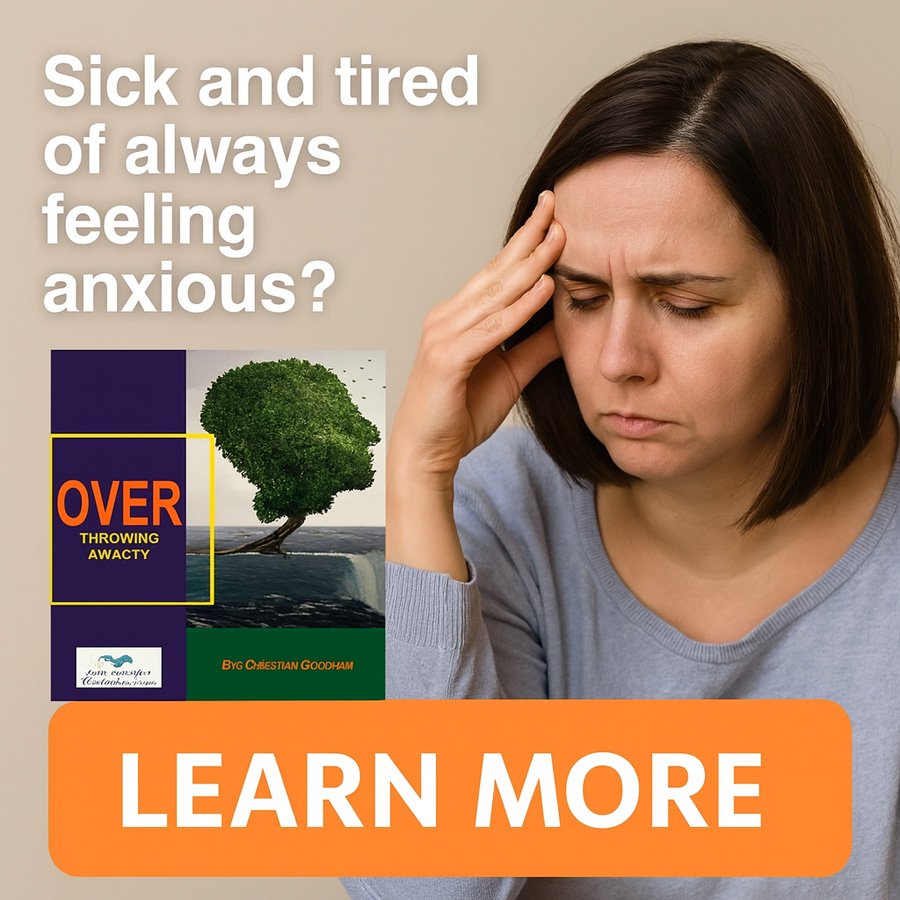
Overthrowing Anxiety™ This eBook includes a complete program to treat anxiety effectively. It guides you to learn the ways to find, understand, and accept the main cause of your anxiety and start using the techniques provided in it to treat the problem.
How can one use visualization techniques to reduce anxiety?
Visualization techniques are a powerful way to reduce anxiety by using the imagination to create calming and positive mental images. Here’s a straightforward guide on how to use visualization to manage anxiety effectively:
What is Visualization?
Visualization (or guided imagery) involves imagining a peaceful, safe, or positive place or scenario to relax your mind and body, distracting from anxious thoughts and reducing stress.
How to Practice Visualization for Anxiety Reduction:
1. Find a Quiet Space
Sit or lie down comfortably where you won’t be disturbed.
Close your eyes to focus inward.
2. Take Slow, Deep Breaths
Inhale deeply through your nose for 4 seconds.
Hold for 2 seconds.
Exhale slowly through your mouth for 6 seconds.
Repeat 3-5 times to relax your body.
3. Choose Your Visualization Scene
Imagine a place where you feel completely calm and safe, such as:
A beach with gentle waves and warm sunshine
A quiet forest with birdsong and fresh air
A cozy room with soft lighting and comforting objects
It can be a real place you know or a completely imagined peaceful setting.
4. Engage All Your Senses
Visualize not just what you see, but also:
Sounds (waves, birds, wind)
Smells (salt air, pine trees, flowers)
Touch sensations (warm sun on skin, soft sand)
Taste (if relevant)
The more detailed, the more immersive and calming.
5. Stay in the Scene
Spend several minutes mentally exploring this place.
If anxious thoughts intrude, gently bring your focus back to the visualization.
6. Combine with Positive Affirmations (Optional)
Repeat calming phrases silently, such as:
“I am safe here.”
“Peace fills my mind and body.”
“I can handle whatever comes.”
7. Slowly Return
When ready, take a few more deep breaths.
Slowly open your eyes and bring your awareness back to the present.
Tips for Effective Visualization:
Practice daily or whenever anxiety spikes.
Use recorded guided imagery if helpful.
Be patient; it may take a few sessions to feel fully comfortable.
Pair with other relaxation techniques like progressive muscle relaxation.
Why Visualization Works for Anxiety:
Distracts from negative or racing thoughts.
Activates the parasympathetic nervous system, promoting relaxation.
Creates a mental “safe zone” to reduce stress response.
Improves emotional regulation and resilience over time.
Would you like a step-by-step guided visualization script or a recommended app to help you practice?
Caffeine is a stimulant that can exacerbate anxiety symptoms in many people, though its effects vary depending on individual sensitivity, amount consumed, and overall health. Here’s a breakdown of caffeine’s impact on anxiety and how to manage it:
☕ Impact of Caffeine on Anxiety
1. Increases Nervous System Stimulation
Caffeine stimulates the central nervous system, increasing alertness and heart rate.
This can mimic or worsen symptoms of anxiety, such as:
Nervousness
Restlessness
Rapid heartbeat
Jitters or trembling
2. Triggers or Worsens Panic Attacks
For people prone to panic disorder, caffeine can trigger panic attacks or make them more severe.
3. Disrupts Sleep
Caffeine can interfere with sleep onset and quality.
Poor sleep worsens anxiety symptoms, creating a vicious cycle.
4. Increases Stress Hormones
Caffeine can elevate cortisol and adrenaline, hormones involved in the stress response.
5. Varies by Individual
Some tolerate caffeine well with minimal anxiety effects.
Others are highly sensitive, experiencing anxiety even with small amounts.
⚖️ How to Manage Caffeine Intake for Anxiety
1. Monitor and Limit Consumption
Keep caffeine intake moderate (generally ≤200 mg/day, about 1-2 cups of coffee).
Reduce or avoid caffeine if anxiety worsens after consumption.
2. Choose Timing Carefully
Avoid caffeine late in the day (at least 6 hours before bedtime) to protect sleep quality.
3. Switch to Lower-Caffeine or Decaffeinated Options
Try herbal teas, decaf coffee, or caffeine-free beverages.
4. Gradually Reduce Intake
Sudden caffeine withdrawal can cause headaches and irritability.
Taper off slowly to minimize withdrawal symptoms.
5. Stay Hydrated and Eat Well
Balanced nutrition and hydration can help reduce caffeine’s jittery effects.
6. Practice Stress Reduction Techniques
Combine caffeine management with relaxation strategies like deep breathing, mindfulness, or exercise.
Summary Table:
Impact on Anxiety Management Tips
Increased nervous stimulation Limit and monitor caffeine intake
Sleep disruption Avoid caffeine late in the day
Panic attack trigger Consider avoiding caffeine if sensitive
Elevated stress hormones Support with stress-reduction practices
Individual variation Personalize caffeine consumption
In brief:
Caffeine can worsen anxiety symptoms by stimulating the nervous system and disrupting sleep, but effects vary. Managing intake, timing, and choosing alternatives can help minimize anxiety while still enjoying caffeinated beverages.
Would you like guidance on caffeine reduction plans or anxiety-friendly beverage alternatives?
Overthrowing Anxiety™ This eBook includes a complete program to treat anxiety effectively. It guides you to learn the ways to find, understand, and accept the main cause of your anxiety and start using the techniques provided in it to treat the problem.

I’m Mr.Hotsia, sharing 30 years of travel experiences with readers worldwide. This review is based on my personal journey and what I’ve learned along the way. Learn more |