
Overthrowing Anxiety™ This eBook includes a complete program to treat anxiety effectively. It guides you to learn the ways to find, understand, and accept the main cause of your anxiety and start using the techniques provided in it to treat the problem.
How can one differentiate between low blood pressure and high blood pressure?
Differentiating between low blood pressure (hypotension) and high blood pressure (hypertension) mainly involves understanding their blood pressure readings, typical symptoms, and potential health impacts. Here’s a clear comparison to help you tell them apart:
1. Blood Pressure Readings
Condition Typical Blood Pressure Range
Low Blood Pressure (Hypotension) Usually < 90/60 mmHg
High Blood Pressure (Hypertension) Usually ≥ 130/80 mmHg (according to most guidelines)
Systolic pressure (top number) measures pressure when the heart beats.
Diastolic pressure (bottom number) measures pressure when the heart rests between beats.
2. Common Symptoms
Hypotension (Low BP) Hypertension (High BP)
Dizziness or lightheadedness Often no symptoms (“silent killer”)
Fainting or near-fainting Headaches (especially in severe cases)
Blurred or tunnel vision Nosebleeds (in severe or sudden spikes)
Fatigue or weakness Shortness of breath
Cold, clammy skin Chest pain or palpitations
Nausea Sometimes anxiety or nervousness
Note: Many people with high blood pressure have no symptoms until complications develop.
3. Causes
Low Blood Pressure:
Dehydration
Blood loss
Heart problems (slow heart rate, valve issues)
Endocrine problems (thyroid, adrenal insufficiency)
Certain medications
Prolonged bed rest
High Blood Pressure:
Obesity
High salt intake
Stress
Kidney disease
Genetics
Sedentary lifestyle
4. Health Risks
Low BP:
May cause falls or injuries from fainting
Can indicate underlying serious issues if sudden or severe
High BP:
Increases risk of heart attack, stroke, kidney damage, vision loss
5. Diagnosis
Measured using a blood pressure cuff (sphygmomanometer)
Multiple readings over time are necessary
Sometimes additional tests to find causes or complications
6. Management
Low BP: Increase fluids, salt (under doctor’s advice), treat underlying causes, medication adjustments
High BP: Lifestyle changes, medications, regular monitoring
Summary
Aspect Low Blood Pressure High Blood Pressure
BP Reading < 90/60 mmHg ≥ 130/80 mmHg
Symptoms Dizziness, fainting, fatigue Usually none; headaches or nosebleeds in severe cases
Health Concern Risk of fainting and injury Risk of heart disease and stroke
Treatment Focus Raise BP carefully and treat causes Lower BP and reduce cardiovascular risk
Would you like advice on how to measure blood pressure accurately at home or when to seek medical attention for abnormal readings?
Managing low blood pressure (hypotension) during illness requires careful attention to avoid symptoms like dizziness, fainting, or organ under-perfusion. Here are practical strategies:
1. Stay Hydrated
Illness often causes dehydration (due to fever, vomiting, diarrhea).
Drink plenty of fluids (water, oral rehydration solutions) to maintain blood volume and pressure.
2. Monitor Salt Intake
In some cases, increasing salt intake can help raise blood pressure.
However, this should be guided by a healthcare professional, especially if there are heart or kidney issues.
3. Rest and Avoid Sudden Movements
Avoid rapid changes in position (e.g., standing up quickly) to prevent dizziness or fainting.
Rest as needed but keep mild activity to support circulation.
4. Medication Review
Some medications (like diuretics or blood pressure drugs) may worsen low BP.
Consult your doctor about adjusting or pausing medications during illness.
5. Small, Frequent Meals
Large meals can cause blood pressure to drop (postprandial hypotension).
Eating smaller, more frequent meals may help maintain steadier blood pressure.
6. Wear Compression Stockings
If recommended, compression stockings can help reduce blood pooling in the legs and improve blood return to the heart.
7. Avoid Alcohol and Caffeine
Alcohol can lower blood pressure.
Caffeine effects vary; it may temporarily raise BP but can cause dehydration.
8. Seek Medical Attention if Symptoms Worsen
Severe hypotension symptomssuch as confusion, chest pain, rapid heartbeat, or persistent faintingrequire prompt medical care.
Summary Table:
Management Step Why It Helps
Hydration Maintains blood volume
Adjust salt intake Helps raise blood pressure (with guidance)
Avoid sudden movements Prevents dizziness and falls
Medication review Avoids drugs that lower BP unnecessarily
Small, frequent meals Reduces post-meal BP drops
Compression stockings Improves venous return
Avoid alcohol Prevents further BP lowering
Monitor symptoms Ensures timely medical intervention if needed
In brief:
During illness, managing low blood pressure involves hydration, careful dietary habits, medication management, and symptom monitoring. Always work with healthcare providers to tailor approaches to your specific condition.
Would you like guidance on which fluids or foods are best for supporting blood pressure during illness?
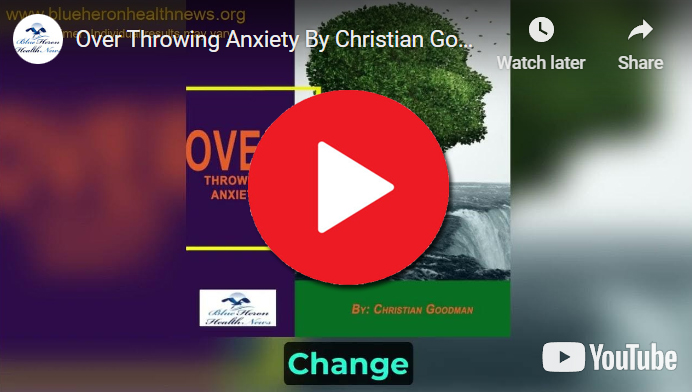
Overthrowing Anxiety™ This eBook includes a complete program to treat anxiety effectively. It guides you to learn the ways to find, understand, and accept the main cause of your anxiety and start using the techniques provided in it to treat the problem.

I’m Mr.Hotsia, sharing 30 years of travel experiences with readers worldwide. This review is based on my personal journey and what I’ve learned along the way. Learn more |