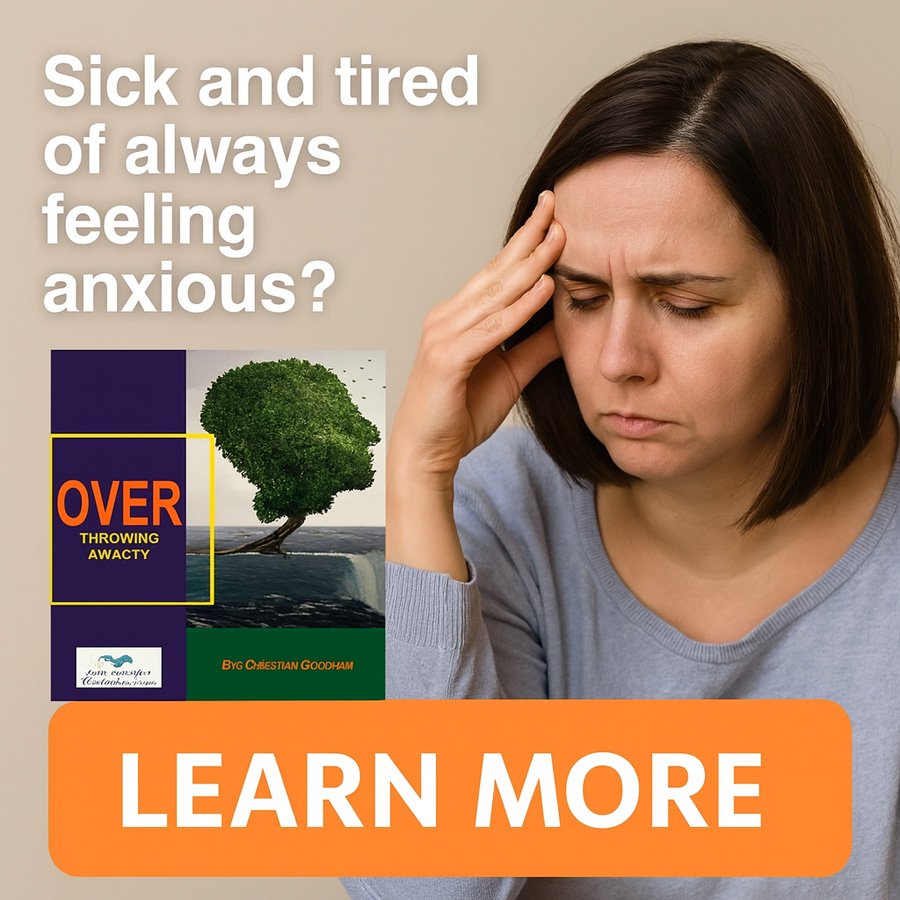
Overthrowing Anxiety™ This eBook includes a complete program to treat anxiety effectively. It guides you to learn the ways to find, understand, and accept the main cause of your anxiety and start using the techniques provided in it to treat the problem.
How can one manage anxiety related to financial stress?
Managing anxiety caused by financial stress involves a mix of emotional coping tools and practical money strategies. Here’s a clear, compassionate guide to help you navigate both:
🧠 Emotional Coping Strategies
1. Acknowledge and Name the Anxiety
Accept that your feelings are valid.
Naming the worry (e.g., “I’m afraid I won’t make rent this month”) can reduce its power.
2. Practice Grounding Techniques
Try deep breathing, mindfulness, or 5-4-3-2-1 grounding to calm your nervous system.
Example: Name 5 things you can see, 4 you can touch, etc.
3. Limit Catastrophic Thinking
Catch “what if” spirals early. Ask: What’s the most likely outcome? What small step can I take today?
4. Stick to a Routine
Structure provides stability when finances feel uncertain.
Include daily self-care, even if it’s just a walk or cup of tea.
💸 Practical Financial Steps
1. Make a Simple Budget
Track your income and essential expenses (rent, food, transport).
Knowing what’s coming in and going out reduces fear of the unknown.
2. Prioritize Essentials
Focus spending on needs, not wants.
Delay or minimize non-essentials to reduce stress without guilt.
3. Seek Help If Needed
Look for community resources, food banks, housing assistance, or financial counseling.
Free or low-cost help is available in many areas (want help finding some?).
4. Set Tiny, Achievable Goals
Pay $10 toward a bill. Save $5 a week. Call a utility company to ask about a payment plan.
Small wins build momentum and reduce helplessness.
5. Protect Your Mental Space
Limit financial news or social media that triggers comparison or fear.
Replace with uplifting content or supportive communities.
👥 Talk It Out
Don’t suffer alone. Talk with a trusted friend, therapist, or support group.
Financial stress can feel isolating, but many people are going through similar struggles.
Summary Table
Strategy Type Example Benefit
Emotional Grounding, deep breathing, name the fear Calms anxiety, builds perspective
Practical Budgeting, goal setting, seek assistance Regains control, reduces uncertainty
Social Talk to someone, join a support group Reduces isolation, offers solutions
Protective Limit triggering media, focus on routines Preserves energy, promotes stability
In short: Managing financial anxiety means calming your mind while taking small, clear actions toward stability. You don’t have to have it all figured outjust take the next small step.
Would you like a simple budgeting template, breathing exercise, or links to free financial support resources?
Panic attacks are sudden, intense episodes of fear or discomfort that peak within minutes and often feel overwhelming or frightening. Understanding their signs and how to manage them is key to regaining control and reducing their impact.
🔍 Common Signs of a Panic Attack
Physical Symptoms:
Racing or pounding heartbeat
Shortness of breath or choking sensation
Chest pain or tightness
Dizziness or lightheadedness
Sweating or chills
Nausea or abdominal discomfort
Tingling or numbness (especially in hands or feet)
Trembling or shaking
Hot flashes or cold sweats
Psychological Symptoms:
Overwhelming fear or sense of doom
Fear of losing control, going crazy, or dying
Detachment from reality or self (derealization or depersonalization)
🧘♀️ How to Manage Panic Attacks
1. Use Slow, Deep Breathing
Try 4-7-8 breathing: Inhale for 4 seconds, hold for 7, exhale for 8.
Helps reduce hyperventilation and calm the nervous system.
2. Ground Yourself
Use the 5-4-3-2-1 technique: Identify 5 things you see, 4 you can touch, 3 you hear, 2 you smell, 1 you taste.
Brings your focus back to the present moment.
3. Remind Yourself It Will Pass
Reassure yourself: “This is a panic attack. It’s temporary and not life-threatening.”
4. Relax Your Muscles
Try progressive muscle relaxationtense and relax each muscle group slowly to reduce physical tension.
5. Use Positive Affirmations
Repeat calming phrases like:
“I am safe.”
“This feeling will pass.”
“I’ve gotten through this before.”
6. Remove or Reduce Triggers
If possible, move to a quieter, cooler, less stimulating space.
🩺 Long-Term Strategies
Therapy:
Cognitive Behavioral Therapy (CBT) is highly effective in identifying and changing panic-related thought patterns.
Medication:
Antidepressants (e.g., SSRIs) or anti-anxiety medications may be prescribed if attacks are frequent or severe.
Lifestyle Support:
Regular exercise, sleep hygiene, reduced caffeine/alcohol intake, and stress management help lower the risk of panic attacks.
🚨 When to Seek Help:
If panic attacks are frequent, interfere with daily life, or lead to avoidance behaviors, consult a mental health professional. Treatment is available and often very effective.
Would you like a printable guide for managing panic attacks or help building a daily anxiety-reducing routine?

Overthrowing Anxiety™ This eBook includes a complete program to treat anxiety effectively. It guides you to learn the ways to find, understand, and accept the main cause of your anxiety and start using the techniques provided in it to treat the problem.

I’m Mr.Hotsia, sharing 30 years of travel experiences with readers worldwide. This review is based on my personal journey and what I’ve learned along the way. Learn more |