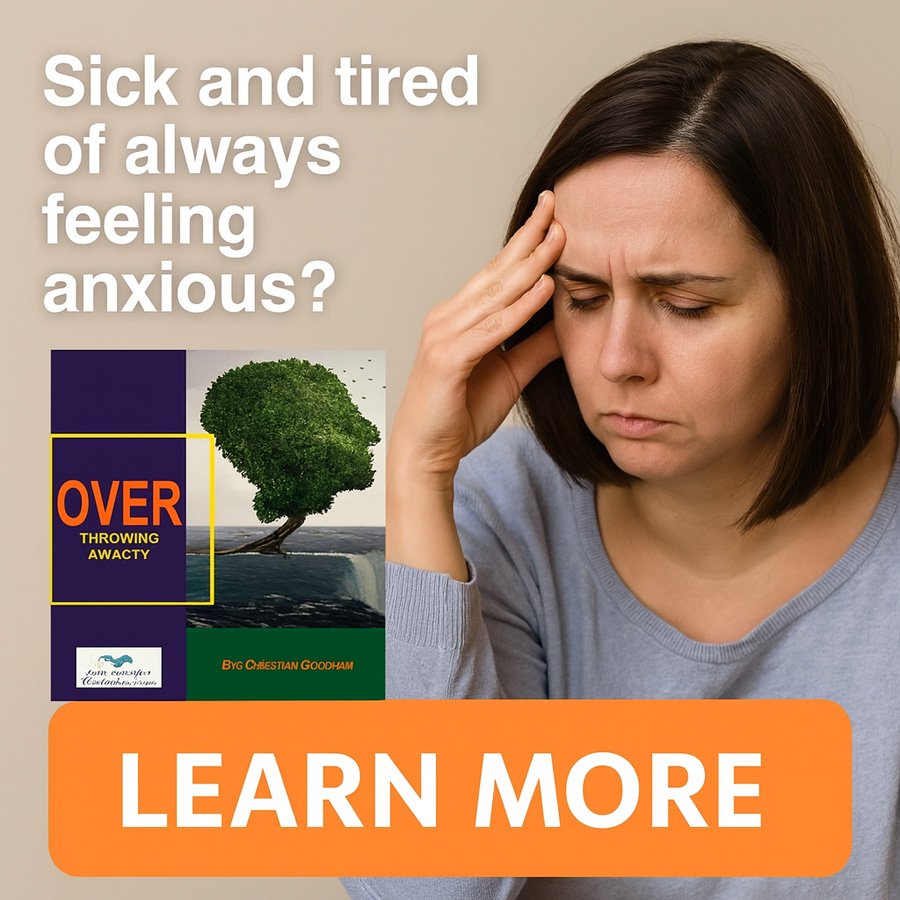
Overthrowing Anxiety™ This eBook includes a complete program to treat anxiety effectively. It guides you to learn the ways to find, understand, and accept the main cause of your anxiety and start using the techniques provided in it to treat the problem.
How can one practice mindfulness in daily activities to reduce anxiety?
Practicing mindfulness during daily activities is a powerful way to reduce anxiety and bring a sense of calm and control to your life. You don’t need to carve out extra timejust bring awareness to what you’re already doing. Here’s how:
🌿 What Is Mindfulness?
Mindfulness means paying full attention to the present moment without judgment. It’s noticing your thoughts, feelings, bodily sensations, and surroundings with curiosity and acceptance.
🧘 How to Practice Mindfulness in Daily Activities
1. Mindful Breathing (Anytime, Anywhere)
Pause and take a few slow, deep breaths.
Focus on the feeling of air entering and leaving your body.
Try: 4-4-4-4 Box Breathing inhale 4s, hold 4s, exhale 4s, hold 4s.
2. Mindful Eating
Eat slowly and without distractions (no phone or TV).
Notice the colors, textures, and tastes of your food.
Chew thoroughly and savor each bite.
3. Mindful Walking
Walk slowly and notice each step, the movement of your legs, and how your feet connect with the ground.
Pay attention to the sights, sounds, and smells around you.
Can be done during your commute or a short break.
4. Mindful Showering
Focus on the feeling of water on your skin.
Notice the smell of the soap, the sound of the water, and the sensation of warmth.
Let each moment ground you in the present.
5. Mindful Listening
When talking with someone, give them your full attention.
Listen without planning your responsejust be present.
Notice tone, facial expressions, and body language.
6. Mindful Chores
While washing dishes or folding laundry, focus on the physical sensations and movements.
Use this time to calm your thoughts rather than rush through it.
🧠 How Mindfulness Reduces Anxiety
Interrupts worry cycles by bringing you back to the present.
Lowers stress hormones (like cortisol) and promotes relaxation.
Enhances emotional regulation and reduces reactivity.
🪴 Summary Table
Activity Mindful Approach Benefit
Breathing Deep, slow, focused inhales and exhales Immediate calm
Eating Savoring taste, texture, and pace Reduces stress and overeating
Walking Focus on steps, rhythm, and surroundings Grounds you in the present
Showering Notice temperature, pressure, scent Soothes the nervous system
Listening Full presence without judgment or distraction Improves connection and empathy
Chores Engage senses and slow down Turns routine into restful ritual
💡 Tips for Getting Started
Start smalljust 1–2 minutes per activity.
Use reminders like sticky notes or phone alerts.
Be kind to yourself when your mind wandersjust gently return to the moment.
Would you like a printable daily mindfulness checklist or a short script for a guided breathing session?
Positive affirmations play a supportive role in reducing anxiety by helping shift negative thought patterns and promoting emotional resilience. While not a cure-all, they are a simple, accessible tool that can be part of a broader anxiety management strategy. Here’s how they help:
1. Rewiring Negative Thought Patterns
Anxiety often involves repetitive, negative self-talk (“I can’t handle this,” “Something bad will happen”).
Positive affirmations like “I am calm and in control” or “I have overcome challenges before” can interrupt these patterns and create new, more helpful neural associations.
2. Improving Self-Esteem and Confidence
Low self-worth and self-doubt fuel anxiety.
Regularly repeating affirmations such as “I am enough just as I am” reinforces self-belief and inner strength.
3. Encouraging Present-Moment Awareness
Affirmations can anchor you in the present, which helps counteract future-oriented worry.
Examples like “I focus on what I can control today” help redirect attention away from anxious thoughts.
4. Reducing Physiological Stress
Repeating calming statements in a quiet setting can slow breathing and heart rate, especially when paired with deep breathing or mindfulness, triggering the relaxation response.
5. Creating a Sense of Control
Anxiety often stems from feeling helpless or overwhelmed.
Affirmations such as “I am doing my best, and that is enough” can foster a sense of agency and acceptance.
6. Supporting Other Therapeutic Techniques
Affirmations work best when combined with CBT (Cognitive Behavioral Therapy), journaling, or meditation, reinforcing therapeutic goals.
Summary:
Positive affirmations help reduce anxiety by challenging negative self-talk, boosting self-confidence, promoting calmness, and supporting emotional balance. While they’re not a substitute for therapy or medication, they are a valuable self-care practice.
Would you like examples of affirmations tailored to specific anxiety triggers or a routine to incorporate them into your day?
Overthrowing Anxiety™ This eBook includes a complete program to treat anxiety effectively. It guides you to learn the ways to find, understand, and accept the main cause of your anxiety and start using the techniques provided in it to treat the problem.

I’m Mr.Hotsia, sharing 30 years of travel experiences with readers worldwide. This review is based on my personal journey and what I’ve learned along the way. Learn more |