Caloric Testing for Vertigo: What to Expect During a VNG
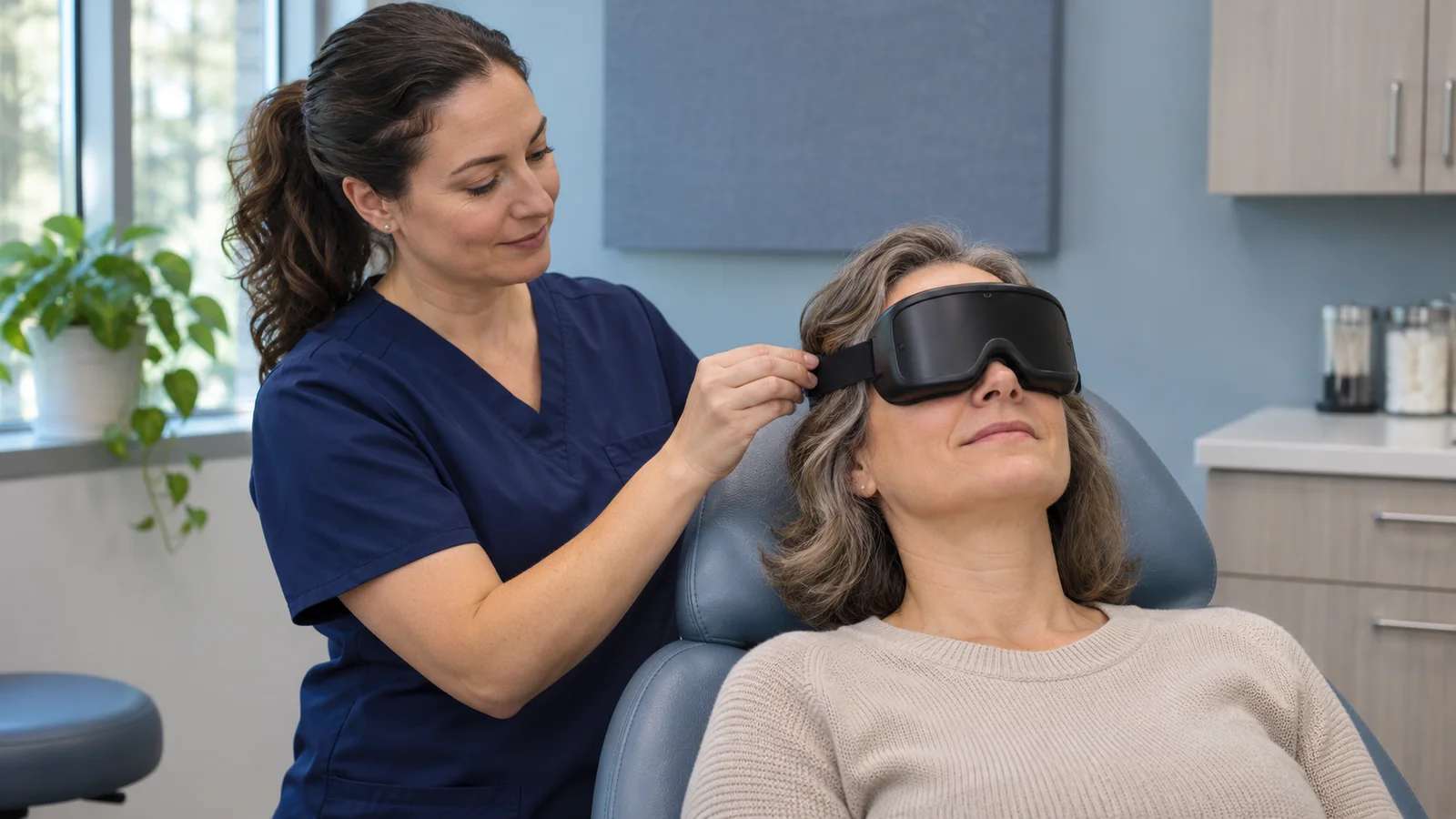
If a balance clinic has booked you for caloric testing, you may have been told that warm and cool air or water will be used to check your inner ears. The clinician is looking at how your eyes respond to a controlled stimulus in each ear. That response gives the team one piece of information about the system that helps you stay oriented when you move. A brief sensation of spinning during the appointment can be expected, and knowing when to speak up or ask for a pause can make the visit easier to manage.
For readers exploring a related educational guide, Christian Goodman’s vertigo and dizziness program page describes the contents of the digital product.
Why a balance test records your eyes
The inner ears help the brain sense head movement. When you turn your head to look across a room, the balance system helps your eyes adjust so you can keep a steady view. Clinicians call that response the vestibulo-ocular reflex. Balance testing can use this reflex to learn how part of each inner ear is responding, even while you remain still in a chair.
During caloric testing, a clinician introduces warm or cool air or water into the outer ear canal. The temperature change temporarily stimulates part of the inner ear’s balance system. The eyes can then make a patterned movement called nystagmus. The team compares recordings from the two ears. The word “caloric” refers to temperature in this context. The test is commonly one part of videonystagmography, or VNG, which can also record eye movements while you follow a target or change head and body position.
What to check when the appointment is booked
Read the instructions from the clinic doing the test. Some clinics ask you to arrive without eye makeup because it can interfere with the camera. Others give specific directions about food or drinks. Ask which preparations apply to the parts of the assessment you are scheduled to have and how much time to allow if there will also be a hearing test or a discussion with the audiologist.
Give the clinic a list of the prescription and over-the-counter medicines you take, including anything you use only when dizzy or nauseated. Some medicines can change eye movement responses, and the clinic may ask whether you can pause particular ones. If that instruction is unclear, check with the testing team and the prescriber before changing anything, especially medicines you depend on for other conditions. If you have already taken a medicine the clinic asked about, tell the team what you took and when. The clinician can decide whether to proceed or adjust the plan.
Mention any history of ear surgery, a hole in the eardrum, recent ear pain or drainage, or trouble lying back. An examination of the ear canal and eardrum can help the clinician choose an appropriate method or decide whether the test should wait. Tell the team beforehand if you tend to get severe motion sickness or if being in a dark room or wearing goggles worries you. Ask how to signal for a pause once the goggles are on.
What happens during the caloric test
You may sit in a chair that reclines or lie back on an exam table. The clinician fits goggles with an infrared camera so your eyes can be recorded with little or no light. They position your head and test one ear at a time. You may feel the temperature of the air or water, sense movement, or feel as if the room is turning while your body is still. The team allows time for the response to settle before testing again.
During recording, the examiner may ask you to look at a target at a certain point or keep your attention on a simple task. Follow their instructions and tell them how you feel. A sense of spinning or mild nausea can occur for a short time. Some people feel little movement at all. The clinician uses the recorded eye movements to judge the response. Your description of what you felt is relevant, especially if it resembled your usual episodes, but the intensity of the sensation alone does not tell you how one ear performed compared with the other.
If you feel too uncomfortable to continue, say so. The clinician can explain what has been recorded so far and whether you can take a break. After the test, give yourself time to sit up and ask staff for help getting to your feet if you are still unsteady. Symptoms generally settle quickly, but you may want to arrange a ride, particularly if the clinic advises against driving immediately afterward or you have had motion-provoked dizziness that lasts.
How to read the words on the report
A report may use “unilateral weakness” or “caloric asymmetry” to describe a smaller recorded response from one side compared with the other. Ask which ear showed the smaller response and how confident the team is in the comparison. The finding can help the clinician narrow the investigation. The cause still depends on other information, including your symptom history, your ear examination, and any hearing changes.
Some reports describe reduced responses on both sides. In that situation, the clinician may look for reasons the responses were difficult to measure and decide whether another balance test would clarify the finding. Caloric testing mainly checks the horizontal balance canals at a very low rate of stimulation, which is different from the quick head turns you make during everyday activities. Another test can measure responses during quicker motion. Findings from the two tests can differ because they look at different aspects of the same balance system.
A result in the expected range tells you how that part of the system responded during the test. Dizziness can still deserve evaluation, particularly if it keeps you from walking safely, working, or doing ordinary tasks. Ask which questions the test answered and which ones remain. If the clinician suggests a hearing test or another balance assessment, ask what it is intended to clarify and who will review the results with you.
How other parts of a balance appointment fit in
At some visits the clinician first records how the eyes move while you look at a target or while your body is in different positions. If your episodes happen when you roll over in bed, a positional exam may be particularly informative. The clinician can compare the eye movements that happen with a change of position with those produced during caloric stimulation. A hearing test serves a different purpose and can provide useful context if your dizziness comes with changes in hearing or a feeling of pressure in one ear.
Check whether the appointment is for testing only or whether someone will also explain the findings that day. If the person who runs the test sends a report to a referring clinician, ask when and how you should expect to hear about it. A written copy can help you remember which portions were done and give you a place to note questions before the follow-up.
What to bring to the follow-up
Describe a representative episode in your own words. Did you feel the room turn, feel faint, or notice that you were pulled to one side? Estimate how long it lasted and explain what you were doing when it began. Mention if you noticed ringing, pressure, or a change in hearing in one ear. If the sensation during the caloric test was different from the episodes you experience at home, describe that difference too. It will help the clinician interpret the test in the context of the problem that brought you there.
Some symptoms should be assessed before a scheduled balance appointment. Get emergency help for sudden dizziness with symptoms such as new difficulty walking, double vision, facial droop, arm weakness, or trouble speaking. These can be signs of stroke. An upcoming test or a previous reassuring result should never be a reason to wait when these symptoms occur.
At the review visit, ask for the main finding in everyday language and how it fits with your symptoms. You might ask whether both ears responded as expected and whether a different test could explain something the first one did not measure. If you would like to read about the separate commercial guide, see the product listing for The Natural Vertigo and Dizziness Relief Exercise Program.
Sources and further reading
- MedlinePlus, Videonystagmography
- Cleveland Clinic, Videonystagmography
- Weill Cornell Medicine, ENG and VNG Testing
- University Hospitals Coventry and Warwickshire, Caloric Test Patient Information
- Otolaryngologic Clinics of North America, Efficient Use of Vestibular Testing
- American Stroke Association, Stroke Symptoms and Warning Signs
RECOMMENDED READING
A practical guide for readers interested in vertigoA guide to vertigo
The Natural Vertigo and Dizziness Relief Exercise Program
A digital guide by Christian Goodman. Review the program overview and contents before deciding whether it is relevant to you.
- Topic: vertigo
- Author: Christian Goodman
- Format: digital guide
 Secure checkout through ClickBank
This page contains affiliate links. We may earn a commission if you purchase through them, at no extra cost to you.