Obstructive Sleep Apnea Before Surgery: What to Tell Your Anesthesia Team
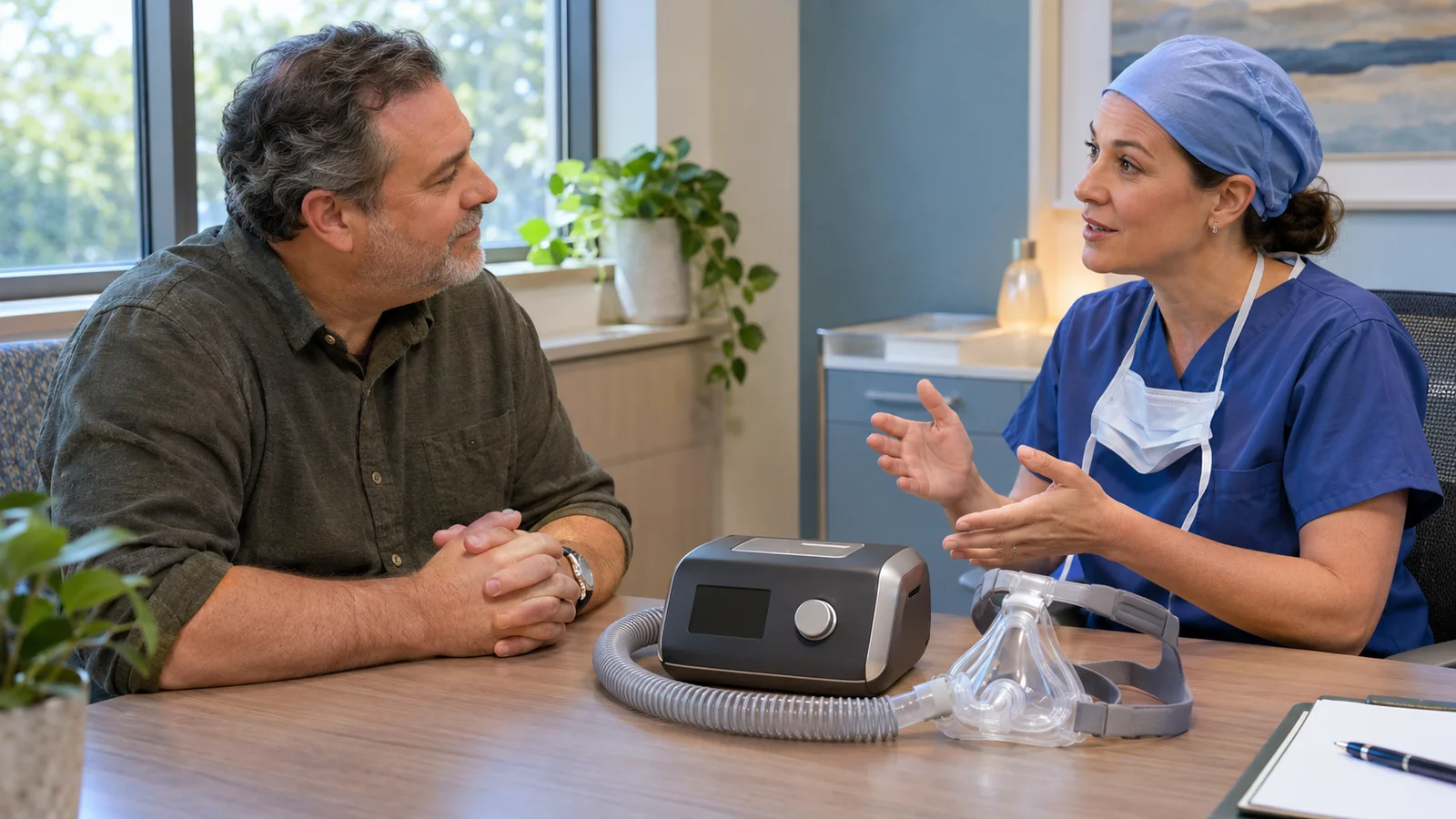
When you fill in the forms for surgery, sleep apnea can seem less relevant than a heart condition or a medication allergy. But obstructive sleep apnea matters to the team giving anesthesia and to the people caring for you afterward. The condition can affect breathing when you are sedated, while you wake up, and during sleep after the procedure. Tell the surgical or anesthesia team early if you have a diagnosis, use a breathing device at night, or are waiting for a sleep study. That gives them time to plan for the procedure and recovery together.
For separate background reading on snoring and sleep apnea, see what Christian Goodman’s The Stop Snoring And Sleep Apnea Program covers. Your surgical team should provide the instructions for your procedure.
Why the anesthesia team asks about sleep apnea
In obstructive sleep apnea, the upper airway repeatedly narrows or closes during sleep. Sedatives, some anesthetics, and opioid pain medicines can affect breathing or make it harder to keep the airway open. Your team considers this alongside the type of procedure, other medical conditions, and the pain relief likely to be needed afterward. The same sleep apnea diagnosis may lead to different plans for a brief procedure and a longer operation. Even if you have been told you will stay awake for the procedure, share your history in case sedation is planned.
Sleep apnea can matter after you leave the operating room. The recovery team may watch how you breathe, observe your oxygen levels, and check whether you can rest comfortably as medicines wear off. The kind of monitoring and how long it lasts vary with the operation and your needs. Ask about the plan if your procedure is booked as day surgery. Knowing what could change the discharge plan will help you arrange a ride and support at home.
What to tell the team before procedure day
Say whether a clinician diagnosed obstructive sleep apnea and, if you know, when it was diagnosed. Bring a copy of the sleep study report or contact details for the sleep clinic if you have them. Tell the team if you use a CPAP, an automatic PAP device, a bilevel device, or another treatment such as an oral appliance. A photo of the device label or a recent clinic report can help identify the equipment. If you have not used it lately, or often remove the mask during sleep, tell them how often you can use it and why.
Bring your complete medication list, including sleep aids, pain medicines, and over-the-counter products. Mention home oxygen, other breathing conditions, and any past problems with anesthesia or recovery. A family member may remember being told you needed extra oxygen or more recovery time after a previous procedure. If you do not have the details, give the team the name of the facility and the approximate date. Follow the medication and fasting instructions supplied by your procedure team, and ask them about any conflict you notice with instructions from another appointment.
If you have no diagnosis but a partner regularly sees pauses in your breathing, or you are awaiting a test or a result, say so. The team may use questions about symptoms and medical history to assess whether sleep apnea is likely. A screening questionnaire gives them a way to plan precautions. Your team can tell you if your situation calls for further evaluation before surgery, or if follow-up can take place later. Call the preoperative clinic if you receive a new sleep study result after you have already completed the forms.
The name of the procedure, where it will happen, and who is coordinating your care are useful details if you need to call your sleep clinic. Ask the preoperative team whether they want a copy of your original sleep study, your latest sleep clinic note, or a report showing current device settings. If you were diagnosed years ago, tell them about major changes since then, including a different device or an earlier procedure for sleep apnea. A short update can help the team avoid basing its plan on older information when your current treatment is different. Keep a copy of the information where you or a helper can find it on procedure day.
Find out what to do with your CPAP or other device
Ask the facility whether it supplies positive airway pressure equipment or wants you to bring your own. If you are asked to bring it, confirm which components they need, such as the mask, hose, and power supply. Identify the bag with your name and ask where the equipment goes when you check in. If you live with someone who can bring forgotten parts, leave their contact details with the person helping you on procedure day. A missing power supply or an unfamiliar mask can make it harder for the care team to use a device you normally tolerate.
Tell the anesthesia team if the device is broken, the mask leaks badly, or you have been unable to use it. Also tell them if you use a fitted mouthpiece or have an implanted device for sleep apnea. For some procedures, particularly those involving the face or airway, the team may give procedure-specific instructions about when or how your usual device can be used. Ask who will decide when to restart it in recovery and at home. The facility’s monitoring plan still matters when PAP is in use.
Talk through pain relief and the first night
Pain control is part of the breathing plan. Some opioid pain medicines can slow breathing or make people sleepier, which is especially relevant in sleep apnea. Ask how the team will manage pain during and after the procedure, including whether approaches that reduce the need for opioids are appropriate. The answer depends on the operation and what medicines are safe for you. Before leaving, ask for written directions about what you may take at home, which combinations to avoid, and who to call if the pain is hard to control. Tell the team if you normally drink alcohol or take a sleep aid so they can address it in those directions.
Discharge planning also depends on how you recover. Some people go home the same day, while others need longer observation or a monitored bed. Ask what the team needs to see before you can leave, whether an adult should stay with you, and what equipment you should have available that night. If you live alone or have no reliable transport, tell the clinic in advance. They can explain the hospital’s requirements and give you time to arrange help. Share the written instructions with the person who is picking you up or staying with you.
Ask the team to explain which changes warrant a call and which require emergency care. Severe trouble breathing or a person who cannot be awakened normally needs emergency help. If a problem is less immediate, such as uncertainty about restarting PAP or how to take a prescribed medicine at bedtime, the written plan should identify the right contact. A clear phone number and a named service are more useful in the evening than a general reminder to call the hospital.
Put the main details in one place
Before the preoperative visit, make a short note with your sleep apnea diagnosis or symptoms, your usual device or treatment, how often you use it, and the names of your sleep clinic and medications. Add any past difficulty during anesthesia or recovery. Use the visit to ask what to bring, how breathing will be monitored, and what to do on the first night at home. If another clinician provides new results or changes your medicines before the procedure, update the surgical team.
Early disclosure gives the team time to coordinate anesthesia, pain relief, equipment, monitoring, and discharge. If you want to review the site’s educational book, see the contents of The Stop Snoring And Sleep Apnea Program. For questions that affect the day of the procedure or your recovery, use the instructions from the clinicians looking after you.
Sources and further reading
- Society of Anesthesia and Sleep Medicine, Guidelines on Preoperative Screening and Assessment of Adults With Obstructive Sleep Apnea
- Centre for Perioperative Care, Perioperative Management of Obstructive Sleep Apnoea in Adults
- Society of Anesthesia and Sleep Medicine, Perioperative Management of Obstructive Sleep Apnea
- MedlinePlus, Opioid Overdose and Emergency Warning Signs
RECOMMENDED READING
A practical guide for readers interested in sleep apneaA guide to sleep apnea

The Stop Snoring and Sleep Apnea Program
A digital guide by Christian Goodman. Review the program overview and contents before deciding whether it is relevant to you.
- Topic: sleep apnea
- Author: Christian Goodman
- Format: digital guide
 Secure checkout through ClickBank
This page contains affiliate links. We may earn a commission if you purchase through them, at no extra cost to you.