
Overthrowing Anxiety™ This eBook includes a complete program to treat anxiety effectively. It guides you to learn the ways to find, understand, and accept the main cause of your anxiety and start using the techniques provided in it to treat the problem.
How can one practice good posture to manage low blood pressure?
Practicing good posture can help manage low blood pressure (hypotension) by improving blood circulation and reducing symptoms like dizziness or faintness. Here are practical tips on how to use posture effectively:
How Good Posture Helps with Low Blood Pressure
Proper posture promotes healthy blood flow back to the heart and brain.
Avoids pooling of blood in the legs, which can worsen symptoms.
Reduces strain on muscles and vessels, supporting stable blood pressure.
Posture Tips to Manage Low Blood Pressure
1. When Sitting
Sit with your feet flat on the floor or use a footrest; avoid crossing your legs.
Keep your back straight and supported against the chair.
Maintain shoulders relaxed and aligned over hips.
Avoid slouching or leaning forward too much.
2. When Standing
Stand up slowly to prevent sudden drops in blood pressure.
Keep weight evenly distributed on both feet.
Engage your core muscles to support your spine.
If feeling dizzy, try tensing leg muscles to encourage blood flow back to the heart.
3. When Lying Down
Elevate your legs slightly to promote blood flow to the upper body.
Avoid lying flat for extended periods without moving.
4. During Transitions
Move slowly from lying down to sitting, and from sitting to standing.
Pause briefly between movements to let your body adjust.
Additional Tips
Compression stockings can help prevent blood pooling in legs.
Regular leg exercises (like ankle pumps) improve circulation.
Stay hydrated to support blood volume.
Summary Table
Posture Aspect Practice Benefit
Sitting Feet flat, back supported, no leg crossing Improves venous return
Standing Slow transitions, weight balanced, core engaged Prevents blood pooling
Lying down Elevate legs Enhances blood flow to brain
Moving between postures Move slowly, pause between steps Prevents sudden BP drops
In brief: Good posture combined with slow movements and leg elevation supports better circulation and helps manage symptoms of low blood pressure.
Would you like simple posture exercises or tips for preventing dizziness during daily activities?
Endocrine disorders can play a significant role in causing or contributing to low blood pressure (hypotension) by disrupting the hormones that regulate blood volume, vascular tone, and heart function. Here are key endocrine conditions that affect blood pressure and how they do so:
1. Addison’s Disease (Adrenal Insufficiency)
The adrenal glands produce cortisol and aldosterone, hormones crucial for maintaining blood pressure.
In Addison’s disease, insufficient cortisol and aldosterone cause low blood volume and decreased vascular resistance, leading to persistent low blood pressure, especially when standing (orthostatic hypotension).
2. Hypothyroidism
Low thyroid hormone levels reduce heart rate and cardiac output.
Hypothyroidism can cause mild hypotension by slowing metabolism and weakening heart contractions.
3. Diabetes-Related Autonomic Neuropathy
Diabetes can damage nerves that control blood pressure regulation (autonomic nervous system).
This leads to impaired vascular tone and orthostatic hypotension.
4. Hypopituitarism
Pituitary gland dysfunction can reduce production of hormones like ACTH (which stimulates cortisol release) and TSH (which affects thyroid function), indirectly causing low blood pressure.
5. Pheochromocytoma (Rare)
Usually causes high blood pressure, but paradoxical hypotension can occur due to episodic hormone release or after tumor removal.
Summary:
Endocrine disorders can lead to low blood pressure by disrupting hormone systems that regulate blood volume, heart function, and vascular tone. Identifying and treating these underlying hormonal imbalances is key to managing hypotension related to endocrine causes.
Would you like information on symptoms to watch for or testing procedures for these endocrine conditions?
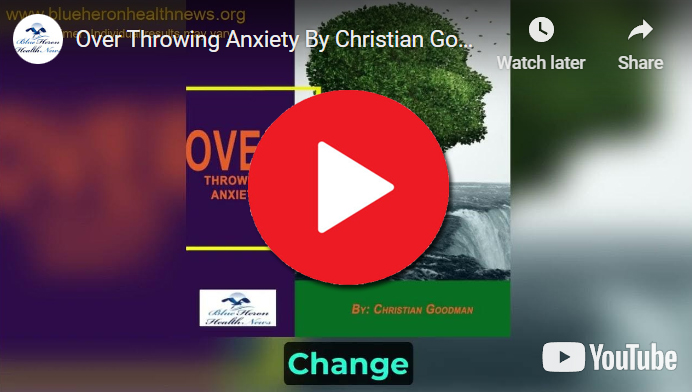
Overthrowing Anxiety™ This eBook includes a complete program to treat anxiety effectively. It guides you to learn the ways to find, understand, and accept the main cause of your anxiety and start using the techniques provided in it to treat the problem.

I’m Mr.Hotsia, sharing 30 years of travel experiences with readers worldwide. This review is based on my personal journey and what I’ve learned along the way. Learn more |