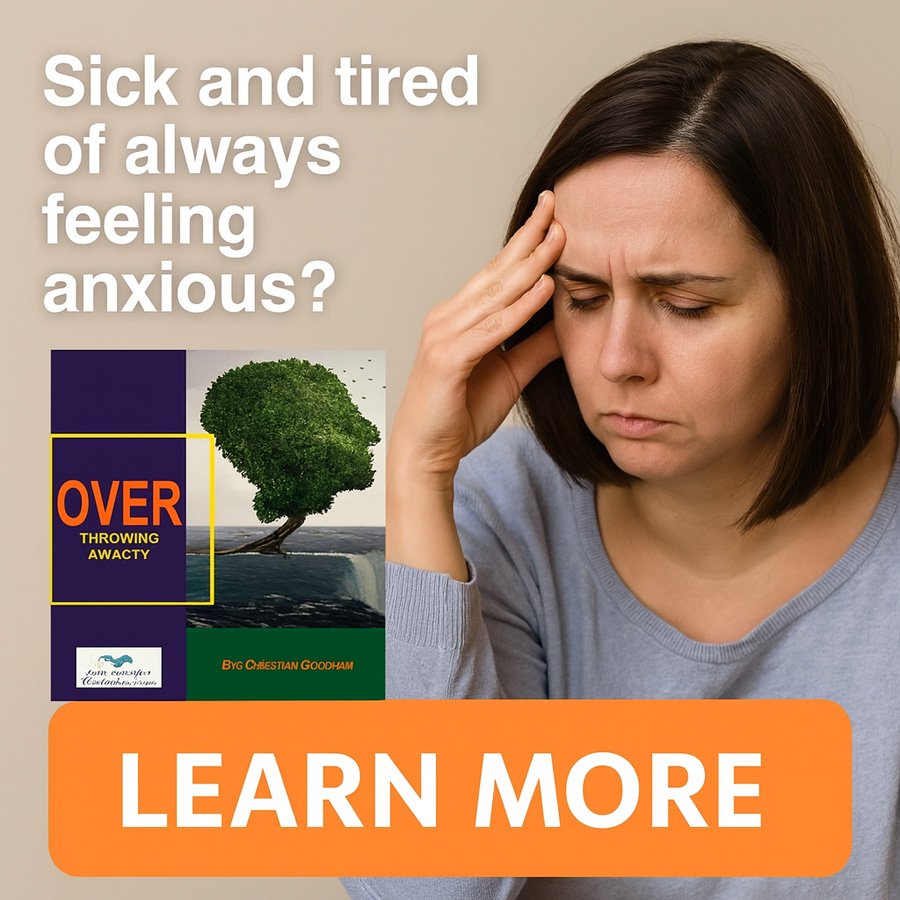
Overthrowing Anxiety™ This eBook includes a complete program to treat anxiety effectively. It guides you to learn the ways to find, understand, and accept the main cause of your anxiety and start using the techniques provided in it to treat the problem.
How can one develop a routine to manage anxiety?
Creating a daily routine to manage anxiety can provide structure, stability, and a sense of controlkey elements to help reduce anxious feelings. Here’s a step-by-step guide to develop an effective anxiety-managing routine:
How to Develop a Routine to Manage Anxiety
Start with Consistent Sleep
Aim for 7–9 hours of sleep each night with regular bedtimes and wake-up times.
Good sleep restores your brain and calms anxiety.
Include Physical Activity
Schedule at least 30 minutes of exercise most days (walking, yoga, cycling, etc.).
Exercise releases endorphins that naturally reduce anxiety.
Plan Time for Mindfulness or Relaxation
Set aside 5–15 minutes daily for meditation, deep breathing, or progressive muscle relaxation.
Apps or guided sessions can help you stay consistent.
Organize Your Day into Manageable Tasks
Break work or chores into small, achievable goals.
Use to-do lists or planners to keep track and reduce overwhelm.
Include Regular Breaks
Take short breaks every hour during work or tasks to stretch, breathe, or step outside.
Helps reset your mind and lowers stress buildup.
Eat Balanced Meals at Regular Times
Nutritious food supports brain function and mood stability.
Avoid excessive caffeine or sugar which can worsen anxiety.
Limit Screen Time and Negative Inputs
Set specific times for checking news or social media to avoid overload.
Engage in uplifting or calming activities instead.
Create a Wind-Down Routine
End your day with calming activities like reading, gentle stretches, or listening to soothing music.
Avoid screens at least 30 minutes before bedtime.
Track Your Progress
Keep a journal or app to note what works and how you feel.
Adjust your routine as needed for effectiveness.
Summary
A well-structured routine that prioritizes sleep, exercise, relaxation, manageable tasks, and balanced nutrition can greatly reduce anxiety. Consistency and self-compassion are key.
Would you like me to help design a personalized daily schedule or provide guided meditation exercises?
Managing anxiety in children involves supportive strategies tailored to their age, development, and specific worries. Here are some effective approaches:
1. Open Communication
Encourage children to talk about their feelings without judgment.
Validate their emotions and let them know it’s okay to feel anxious.
2. Teach Relaxation Techniques
Simple deep breathing exercises.
Progressive muscle relaxation.
Guided imagery or calming visualization.
3. Establish Predictable Routines
Consistent daily schedules provide security and reduce uncertainty.
Prepare them for upcoming changes or events to lessen worry.
4. Model Calm Behavior
Children often mirror adult responses.
Stay calm and composed to help them feel safe.
5. Limit Exposure to Stressors
Monitor and reduce exposure to frightening media or stressful situations.
Create a supportive and peaceful home environment.
6. Encourage Physical Activity
Regular exercise can reduce anxiety symptoms and improve mood.
Activities like playing outside, yoga, or sports work well.
7. Use Positive Reinforcement
Praise efforts to face fears or use coping strategies.
Build confidence by celebrating small successes.
8. Provide Age-Appropriate Information
Explain anxiety and coping in ways they can understand.
Use books, stories, or play to teach about feelings.
9. Seek Professional Help if Needed
If anxiety is severe or persistent, consult a child psychologist or counselor.
Therapy like cognitive-behavioral therapy (CBT) is effective for children.
Summary Table:
Strategy Purpose
Open communication Encourages expression and validation of feelings
Relaxation techniques Reduces physical symptoms of anxiety
Predictable routines Provides stability and security
Modeling calm behavior Teaches emotional regulation
Limit stressors Minimizes anxiety triggers
Physical activity Boosts mood and reduces stress
Positive reinforcement Builds confidence and resilience
Age-appropriate education Helps understand and normalize anxiety
Professional help For severe or persistent anxiety
If you want, I can suggest specific breathing exercises or activities for children to manage anxiety. Would that be helpful?
Overthrowing Anxiety™ This eBook includes a complete program to treat anxiety effectively. It guides you to learn the ways to find, understand, and accept the main cause of your anxiety and start using the techniques provided in it to treat the problem.

I’m Mr.Hotsia, sharing 30 years of travel experiences with readers worldwide. This review is based on my personal journey and what I’ve learned along the way. Learn more |