
The Stop Snoring And Sleep Apnea Program™ a well-researched program created to help stop snoring and sleep apnea so that you can have a good night sleep. The techniques that you will learn from this program works immediately. It will only take you 3-7 minutes to perform these simple exercises that the author has recommended but the results that you will get will help you have a good night sleep as soon as tonight. Within a week, snoring will be a thing of the past.
How can one cope with the emotional effects of vertigo?
Coping with the emotional effects of vertigo can be just as important as managing the physical symptoms. Vertigo often causes anxiety, frustration, isolation, and even depression due to its unpredictable nature and impact on daily life. Here’s how to manage the emotional toll effectively:
🧠 1. Understand the Condition
Learn about your specific type of vertigo (e.g., BPPV, Meniere’s, vestibular migraine).
Understanding the cause can reduce fear and helplessness.
💬 2. Talk About It
Share how you’re feeling with trusted friends, family, or a support group.
Knowing you’re not alone can ease emotional distress.
🧘 3. Manage Anxiety Through Relaxation
Use calming techniques such as:
Deep breathing
Progressive muscle relaxation
Mindfulness or guided meditation
These techniques calm your nervous system, which can help reduce vertigo-related anxiety.
📆 4. Establish a Daily Routine
Structure helps reduce stress and gives a sense of control when vertigo feels unpredictable.
Include breaks and avoid overwhelming tasks on “bad” days.
🏃 5. Try Vestibular Rehabilitation Therapy (VRT)
Working with a physical therapist trained in VRT can improve balance and reduce dizziness.
Progress builds confidence and reduces fear of movement.
📝 6. Track Your Symptoms and Triggers
Keeping a journal helps identify patterns or triggers (e.g., stress, sleep, dehydration).
Awareness allows you to manage symptoms more proactively.
📣 7. Seek Professional Mental Health Support
A therapist can help you process fear, frustration, or depression linked to vertigo.
Cognitive-behavioral therapy (CBT) is especially effective in reducing anxiety tied to chronic conditions.
☀️ 8. Stay Socially Engaged (As You’re Able)
Isolation can worsen emotional distress.
Even short check-ins with friends, a phone call, or brief outings can lift your mood.
Summary
Coping with the emotional effects of vertigo involves a mix of education, emotional support, anxiety-reducing techniques, physical therapy, and possibly counseling. You’re not alonemany people find relief with the right support and tools.
Would you like a calming exercise or journal prompt to help with vertigo-related stress?
Support groups for people with vertigo or vestibular disorders can provide powerful emotional, educational, and practical benefits. These groups offer a community for those living with conditions like Meniere’s disease, vestibular migraine, or benign paroxysmal positional vertigo (BPPV)which are often misunderstood or invisible to others.
✅ Benefits of Support Groups for Vertigo Sufferers
1. Emotional Support and Validation
Share your struggles with people who truly understand what dizziness, imbalance, or brain fog feels like.
Helps reduce feelings of isolation, fear, and frustration.
2. Improved Coping Skills
Learn how others manage daily challenges like driving, working, or walking in crowded places.
Helps normalize setbacks and celebrate progress.
3. Education and Information
Groups often host healthcare professionals who share the latest treatment options, lifestyle tips, and self-care strategies.
Members can share personal experiences with medications, vestibular rehab therapy, or devices.
4. Practical Tips for Daily Living
Learn how to modify your environment, diet, or routines to reduce vertigo triggers.
Discover tools like walking aids, apps, or calming techniques.
5. Motivation and Empowerment
Hearing success stories from others inspires hope and perseverance.
Encourages members to advocate for themselves and seek better care.
6. Reduced Anxiety
Vertigo and balance disorders often cause or worsen anxiety.
Talking with others helps ease the emotional toll of unpredictable symptoms.
7. Help for Loved Ones
Some groups welcome caregivers or family members, so they can better support the person with vertigo and understand what they’re going through.
Summary Table:
Benefit How It Helps
Emotional support Reduces isolation and validates personal struggles
Coping strategies Learn from others managing similar symptoms
Education & treatment info Stay informed on therapies, rehab, and lifestyle changes
Practical advice Adapt daily life to improve safety and comfort
Motivation Encourages persistence and celebrates small victories
Reduced anxiety Lessens fear around symptoms and future episodes
Family involvement Helps loved ones understand and provide better support
Would you like help finding a reputable vertigo support group online or tips on starting your own local group?
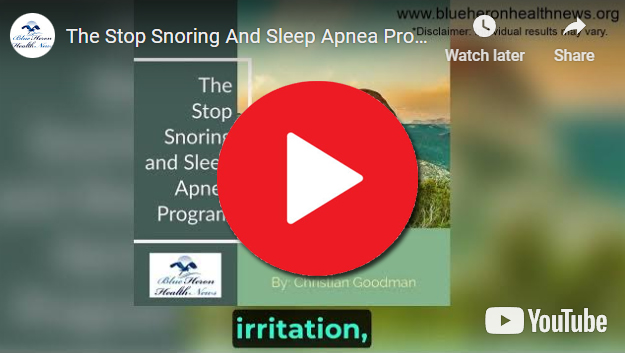
The Stop Snoring And Sleep Apnea Program™ a well-researched program created to help stop snoring and sleep apnea so that you can have a good night sleep. The techniques that you will learn from this program works immediately. It will only take you 3-7 minutes to perform these simple exercises that the author has recommended but the results that you will get will help you have a good night sleep as soon as tonight. Within a week, snoring will be a thing of the past.

I’m Mr.Hotsia, sharing 30 years of travel experiences with readers worldwide. This review is based on my personal journey and what I’ve learned along the way. Learn more |