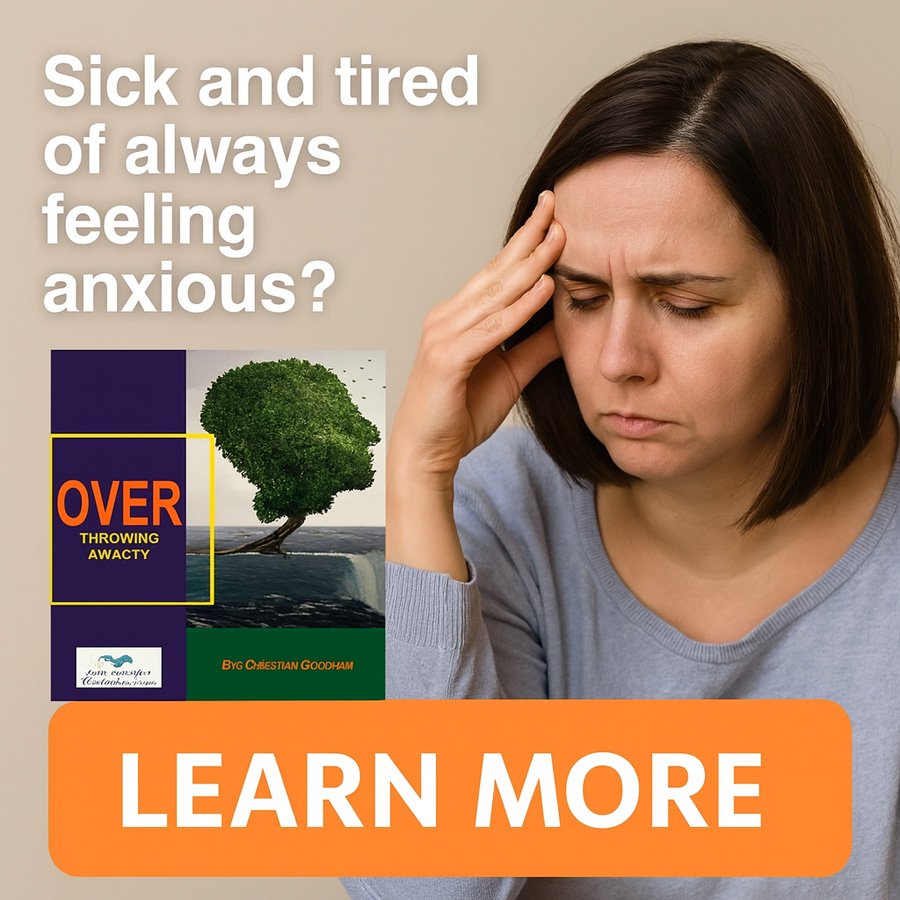
Overthrowing Anxiety™ This eBook includes a complete program to treat anxiety effectively. It guides you to learn the ways to find, understand, and accept the main cause of your anxiety and start using the techniques provided in it to treat the problem.
How can one develop a healthy work-life balance to reduce anxiety?
Developing a healthy work-life balance to reduce anxiety involves intentional strategies that prioritize well-being alongside professional responsibilities. Here are actionable steps to help achieve that balance:
1. Set Boundaries Between Work and Personal Time
- Define work hours: Stick to a consistent schedule.
- Turn off notifications: Disconnect from work emails and messages after hours.
- Create a designated workspace: Physically separate work from relaxation areas.
2. Prioritize and Delegate Tasks
- Use productivity tools like task lists or apps to focus on essential tasks.
- Delegate when possible to avoid feeling overwhelmed.
3. Practice Time Management
- Break tasks into smaller steps: Prevent procrastination by tackling manageable tasks.
- Use techniques like Pomodoro: Work in focused intervals followed by breaks.
4. Schedule Regular Breaks
- Step away from your desk for short breaks to reset your mind.
- Incorporate longer breaks, like lunch away from the workspace.
5. Make Time for Exercise and Physical Activity
- Exercise reduces anxiety by releasing endorphins.
- Incorporate stretching, yoga, or walks during breaks.
6. Connect with Loved Ones
- Spend quality time with family and friends to maintain emotional support.
- Communicate openly about your needs for balance.
7. Develop Mindfulness Practices
- Practice meditation, deep breathing, or journaling to manage stress.
- Use apps like Calm or Headspace for guided mindfulness exercises.
8. Learn to Say No
- Respect your limits by declining tasks or events that cause undue stress.
9. Pursue Hobbies and Interests
- Engage in activities that bring joy and relaxation.
10. Seek Professional Support if Needed
- Talking to a therapist or counselor can provide tools to manage anxiety.
Would you like recommendations on specific mindfulness practices or productivity tools?
Obsessive-Compulsive Disorder (OCD) is an anxiety-related condition characterized by persistent, intrusive thoughts (obsessions) and repetitive behaviors (compulsions) performed to relieve distress. Recognizing the signs of OCD can help identify when anxiety manifests in this form.
Signs of OCD Related to Anxiety
Obsessions (Persistent, Unwanted Thoughts)
- Fear of contamination by germs or toxins
- Intense worry about harm coming to oneself or others
- Disturbing intrusive thoughts about taboo subjects (e.g., violence or inappropriate actions)
- Excessive need for symmetry, order, or exactness
- Overwhelming doubt about actions (Did I lock the door? Did I turn off the stove?)
Compulsions (Repetitive Behaviors to Ease Anxiety)
- Excessive handwashing, cleaning, or disinfecting
- Repeatedly checking things (locks, appliances, etc.)
- Counting rituals (e.g., counting steps or items)
- Repetitive mental rituals, such as silent prayers or phrases
- Arranging items in a particular order or symmetry
- Seeking constant reassurance from others
Emotional and Behavioral Signs
- High anxiety levels when rituals can’t be completed
- Avoidance of situations that trigger obsessions
- Significant distress or interference with daily life due to compulsions
- Feelings of guilt or shame about intrusive thoughts
- Temporary relief after performing compulsions, followed by renewed anxiety
Impact on Daily Life
- Difficulty maintaining relationships or functioning at work/school
- Avoidance of public spaces due to contamination fears
- Sleep disturbances from obsessional thoughts
If these signs resonate with someone’s experience, consulting a mental health professional is essential for accurate diagnosis and treatment. Would you like suggestions for managing OCD-related anxiety or more information on treatment options?
Overthrowing Anxiety™ This eBook includes a complete program to treat anxiety effectively. It guides you to learn the ways to find, understand, and accept the main cause of your anxiety and start using the techniques provided in it to treat the problem.

I’m Mr.Hotsia, sharing 30 years of travel experiences with readers worldwide. This review is based on my personal journey and what I’ve learned along the way. Learn more |